



As summer heats up, swimming becomes a favorite activity for many children. It’s a fun, refreshing way to stay cool and offers numerous benefits, especially for children with special needs. Here are the many positives of swimming for all children, followed by essential safety tips to ensure a fun and incident-free experience.
Benefits of Swimming for Children with Special Needs
- Physical Fitness:
- Swimming is an excellent full-body workout that enhances cardiovascular health, strengthens muscles, and improves flexibility and endurance.
- Sun Exposure:
- Outdoor swimming provides a healthy dose of vitamin D. However, ensure children wear plenty of sunscreen to protect their skin from harmful UV rays.
- Skill Development:
- Swimming is a great opportunity for children to work on essential skills like throwing and catching, which can improve coordination and motor skills.
- Sensory Input:
- The water provides unique sensory input, which can be incredibly beneficial for children with sensory processing issues. The pressure of the water can have a calming effect, while the buoyancy helps with movement and spatial awareness.
- Social Interaction:
- Swimming pools are social hubs where children can interact, play, and make new friends. This social engagement is vital for developing communication skills and building confidence.
- Safety and Independence:
- Learning to swim equips children with a crucial life-saving skill, fostering a sense of independence and self-reliance.
Swimming Pool Safety Tips
- Pre-Swim Preparation:
- Bathroom Breaks: Make sure children use the bathroom before swimming to keep the pool clean and hygienic.
- Showering: Encourage kids to shower before entering the pool to wash away sweat and other substances.
- Food and Swimming:
- Wait After Eating: Ensure children wait at least two to three hours after eating before swimming to prevent discomfort and potential health issues.
- Follow Lifeguard Instructions:
- Always listen to and follow the lifeguard’s instructions. Lifeguards are there to ensure everyone’s safety.
- No Rough Play:
- Avoid pushing or pulling other swimmers, as this can lead to serious injuries.
- Refrain from running around the pool area to prevent slips and falls.
- Proper Swimming Gear:
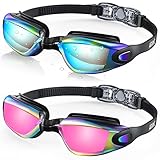
- Wear swimming goggles and caps to protect eyes and maintain pool cleanliness.
- Use only the permitted swimming equipment and avoid chewing gum, eating, or drinking in the pool.
- Dive Safely:
- Always check for other swimmers before diving and ensure the water is deep enough to avoid injuries.
- Exit When Cold:
- Get out of the pool immediately if feeling cold or unwell, as water absorbs body heat rapidly, making the heart work harder.
Swimming is a fantastic way for all children to stay active, enjoy the outdoors, and develop essential life skills. By adhering to safety guidelines and understanding the unique benefits, we can ensure that every child has a safe and enjoyable swimming experience this summer.
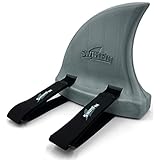
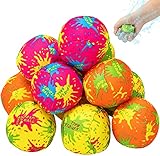
Recommended Swimming Equipment: Affiliate Disclosure





Disclaimer: Some of the links on this site are affiliate links, meaning that at no additional cost to you, I may earn a commission if you click through and make a purchase. As an Amazon Associate, I earn from qualifying purchases. These commissions help support the ongoing work of creating and sharing adapted physical education resources, guides, and inclusive activity ideas so that everyone can thrive in PE. Your support makes it possible to keep this site running and the content free for educators and families. Thank you!




