Writing Annual Review Reports in Adapted PE | Clear & Visual
Teaching Tips · By Sarah Fuller, Adapted Physical Education specialist
Published · Updated
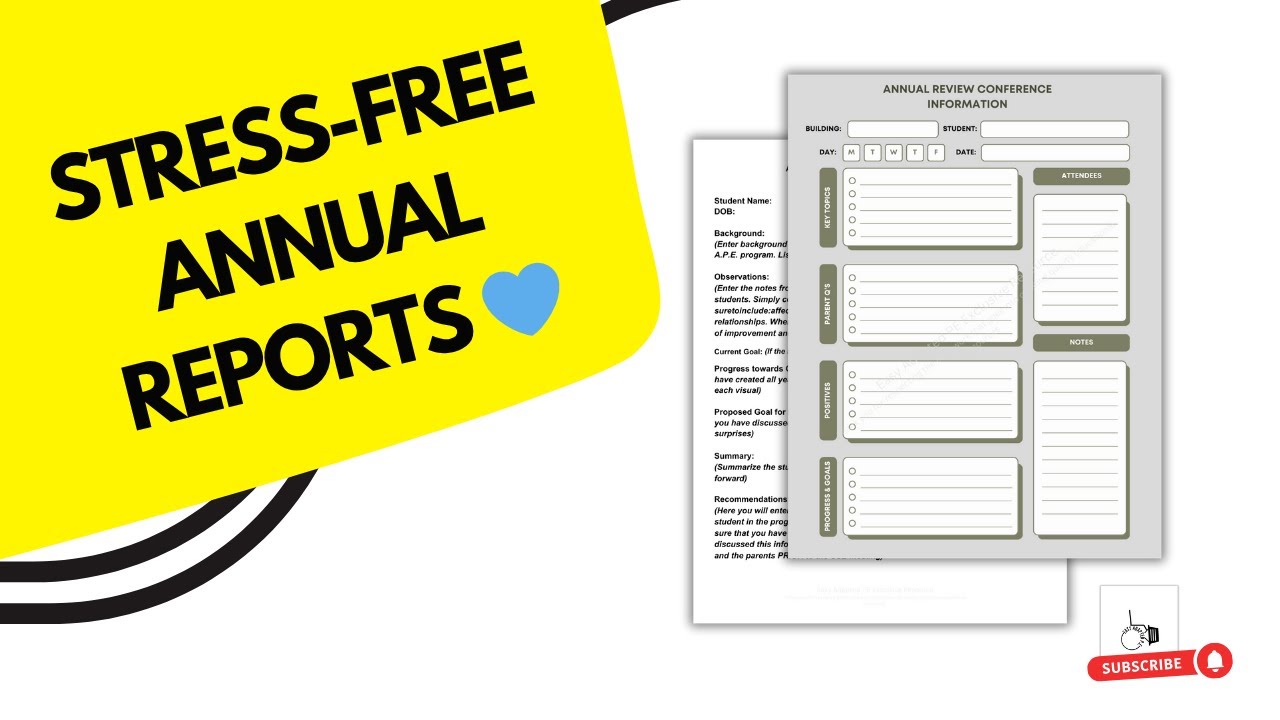
Learn how to create clear, visual, and impactful Adapted PE annual review reports. Get practical tips for organizing data and writing balanced comments.
Annual review season – those two words can send a shiver down any Adapted PE teacher's spine! If you're feeling overwhelmed by the thought of writing comprehensive, data-driven reports for all your students, you're not alone. The good news? With the right approach and organization system, creating impactful annual review reports doesn't have to be a source of stress.
Sarah from Easy Adapted PE breaks down exactly how to tackle this challenging but crucial aspect of our job in her latest video. Let's dive into her proven strategies for creating reports that truly showcase your students' progress and growth.
The Foundation: Organizing Your Data Throughout the Year
One of the biggest mistakes APE teachers make is waiting until annual review season to start thinking about data collection. As Sarah emphasizes in the video, successful annual reviews begin on day one of the school year.
Here's how to set yourself up for success:
- Create a data collection system early: Whether you prefer digital spreadsheets, apps, or good old-fashioned paper forms, establish your system before you need it
- Schedule regular data collection: Set specific days each month to gather progress data rather than scrambling at the end
- Use consistent measurement tools: Standardize how you measure skills across all students to ensure reliable comparisons
- Document the context: Note environmental factors, assistance levels, and other variables that impact performance
Making Progress Visual: The Power of Charts and Graphs
Parents and administrators aren't always familiar with APE terminology or assessment methods. That's where visuals become your best friend. Sarah's approach to incorporating charts and graphs transforms dry data into compelling stories of student growth.
Effective Visual Strategies Include:
- Before and after photos: Show skill progression through carefully documented images (with proper permissions)
- Progress charts: Simple line graphs showing improvement over time in specific skills
- Benchmark comparisons: Visual representations of where students started versus where they are now
- Goal achievement trackers: Clear indicators showing which IEP goals have been met, exceeded, or need continued work
"A picture is worth a thousand words, but a well-designed progress chart is worth a thousand data points." – This principle guides effective APE reporting.
Writing Comments That Matter: Specific and Balanced Feedback
The narrative portion of your annual review reports is where you truly shine as a professional. Sarah's video highlights the importance of writing comments that are both specific and balanced – acknowledging challenges while celebrating genuine progress.
Key Elements of Effective Comments:
- Specific examples: Instead of "Johnny improved in gross motor skills," write "Johnny can now dribble a basketball 10 consecutive times compared to 3 at the beginning of the year"
- Context for progress: Explain what supports or modifications helped achieve success
- Balanced perspective: Highlight strengths while honestly addressing areas that need continued support
- Future-focused language: Connect current progress to upcoming goals and expectations
Template Solutions: Working Smarter, Not Harder
Why reinvent the wheel every year? Sarah advocates for using templates and systems that streamline the report-writing process without sacrificing quality. This approach allows you to focus on the individual student rather than formatting and structure.
Template Benefits:
- Ensures consistent formatting across all reports
- Reduces time spent on repetitive writing tasks
- Helps maintain professional standards
- Creates a checklist mentality to ensure nothing is forgotten
Beyond Compliance: Making Reports Meaningful
While meeting legal requirements is essential, the best annual review reports go beyond mere compliance. They tell the story of a student's journey, celebrate authentic achievements, and provide clear direction for continued growth.
Consider including:
- Student voice: When appropriate, include quotes or feedback from the student themselves
- Peer interaction notes: Document how the student engages with classmates during PE activities
- Functional skill connections: Explain how PE skills transfer to daily living and recreational activities
- Family engagement observations: Note home support and carry-over of skills
Preparing for the Annual Review Meeting
Your beautifully crafted report is just the beginning. Sarah's comprehensive approach includes preparing for the actual annual review meeting where you'll present your findings and recommendations.
Meeting preparation should include:
- Practicing your presentation of key data points
- Preparing examples and demonstrations when possible
- Anticipating questions from team members
- Having recommendations ready for the upcoming year's goals
Start Strong, Finish Stronger
Annual review season doesn't have to be a source of dread. With Sarah's systematic approach to data organization, visual presentation, and thoughtful commentary, you can create reports that truly showcase the incredible work you do with your students every day.
Remember, these reports aren't just paperwork – they're advocacy documents that demonstrate the value and impact of Adapted Physical Education. When done well, they help ensure continued support for your programs and, most importantly, for your students.
Ready to transform your annual review process? Start implementing these strategies today, and visit Easy Adapted PE's resource shop for templates and tools that can streamline your workflow. Your future self (and your students' families) will thank you!