What Is a Brain Break? A Teacher's 1-Minute Guide
Teaching Tips · By Matt Barker (Digit the APE), Adapted Physical Education specialist
Published · Updated
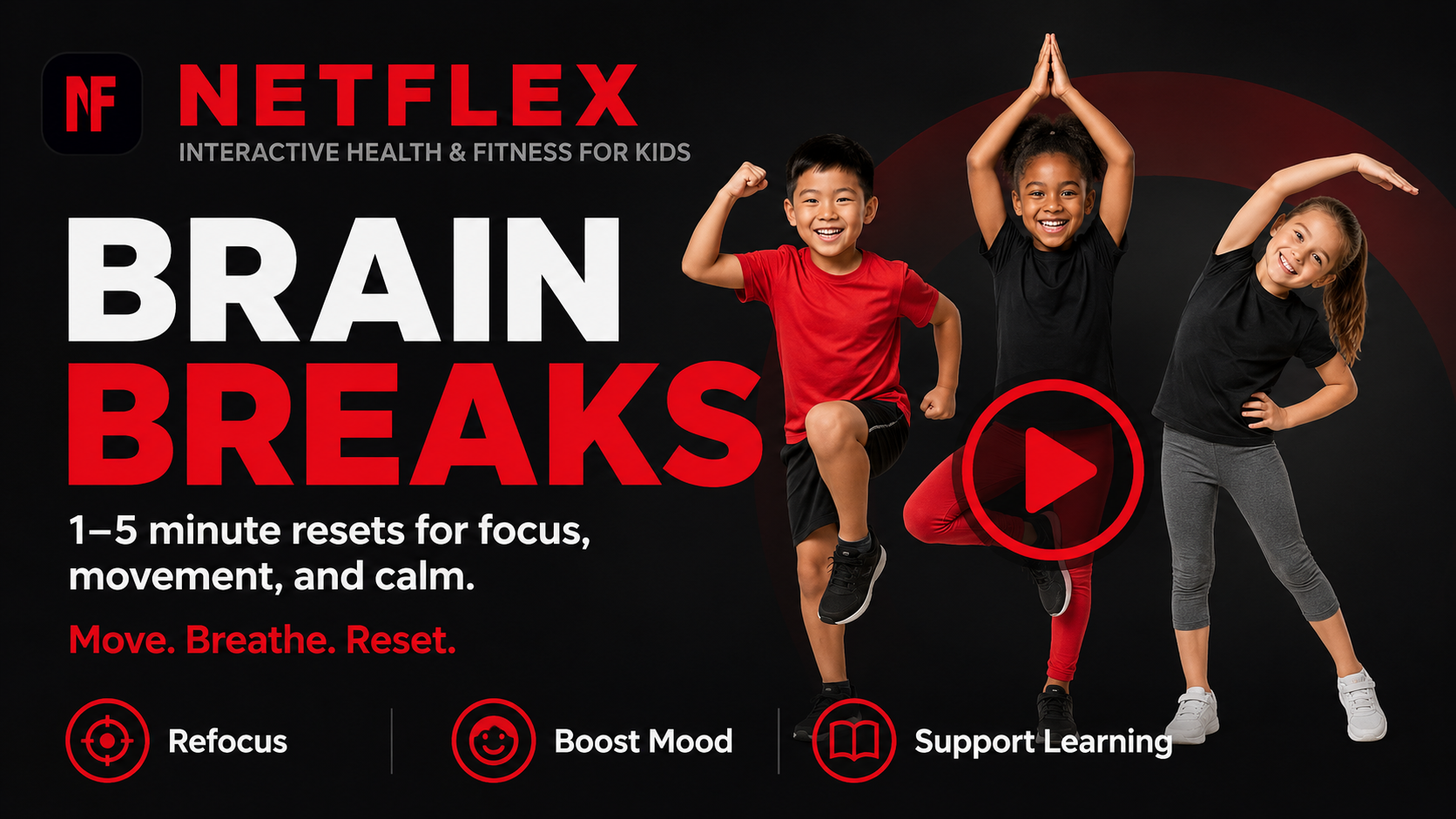
A brain break is a short 1–5 minute movement, mindfulness, or sensory reset that helps students refocus. Here's how to use them in any classroom.
A brain break is a short, intentional pause — usually 1 to 5 minutes — that gives students a chance to move, breathe, laugh, or reset their attention before returning to a task. If you''ve ever watched a class fall apart 20 minutes into a lesson and thought "we need to stop and shake this off," you''ve already had the instinct. Brain breaks just make it a habit.
Why brain breaks work
Sustained attention is a finite resource, especially for elementary and middle school students. Research on attention and learning consistently shows that short bursts of movement or novelty between focused work blocks improve retention, behavior, and mood. For students with ADHD, autism, sensory processing differences, or anxiety, a well-timed brain break can prevent a meltdown rather than respond to one.
In an Adapted PE setting, brain breaks aren''t just a classroom trick — they''re a core regulation tool you can teach to general education colleagues so students get the same supports across the school day.
What counts as a brain break?
Anything short, low-prep, and reset-focused. The format matters less than the consistency. Common types:
- Movement breaks — jumping jacks, animal walks, dance-alongs, GoNoodle-style videos
- Mindfulness breaks — guided breathing, body scans, 30-second stillness
- Sensory breaks — heavy work, wall pushes, fidget time, a quick walk to the water fountain
- Cognitive breaks — would-you-rather questions, quick brain teasers, "find five blue things"
- Social breaks — partner clap games, group cheers, share-a-joke
How long should a brain break be?
One to five minutes is the sweet spot. Shorter than a minute and students barely shift gears; longer than five and you lose the lesson momentum you''re trying to protect. A good rule of thumb: one brain break per 20–25 minutes of focused work for K–5, and one per 30–40 minutes for older students.
When to use them
- Transitions between subjects or activities
- After a high-focus task (testing, independent reading, a long video)
- When you notice the room getting fidgety, slumpy, or chatty
- First thing after lunch or recess to re-anchor focus
- Any time a specific student looks dysregulated and needs a movement option
The easiest way to start tomorrow
You don''t need a curriculum. Pick one short video, queue it up before class, and hit play when energy dips. Over time you''ll learn which breaks calm your room and which ones rile it up — both are useful, just for different moments.
If you want a pre-curated set, our brain break video library has hundreds of free clips organized by type (movement, mindfulness, yoga, dance) so you can pull one in seconds without scrolling YouTube during class.
One last tip
Tell students why you''re doing it. "We''ve been working hard — let''s give our brains a 90-second reset" reframes the break as a learning strategy, not a reward. That single sentence is what turns a chaotic stop into a regulated one.
Ready to try one? Browse the free brain break video library — no signup required.
Watch some brain break examples
Here are three short, ready-to-play clips from our free brain break video library — tap a thumbnail to watch.


Topics: brain breaks, brain break, classroom management, adapted pe, movement breaks, mindfulness, self-regulation, teacher tips