Assume That I Can: Viral Video Challenges Assumptions on Downs Syndrome
General · By Matt Barker (Digit the APE), Adapted Physical Education specialist
Published · Updated
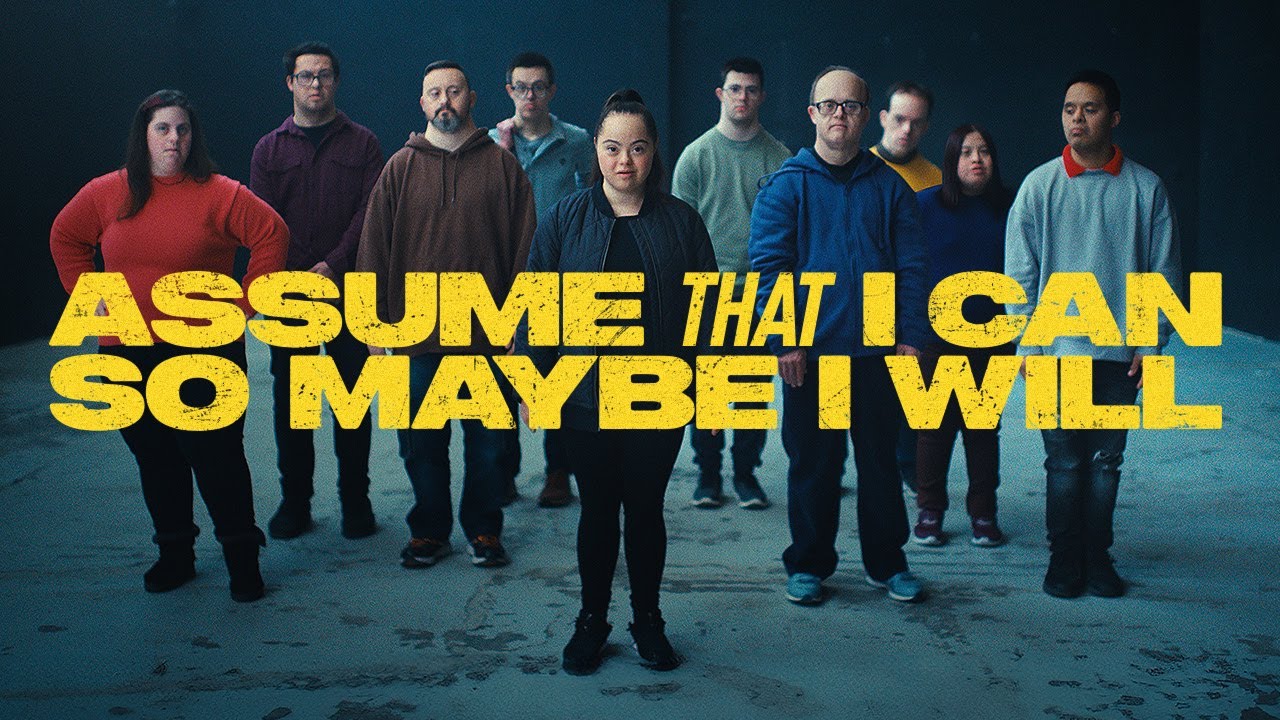
In a strikingly powerful advertisement, the "Assume That I Can" campaign, launched in association with CoorDown and the National Down Syndrome Society, is revolutionizing societal perceptions of Down syndrome. This initiative, particularly resonant as World Down Syndrome Day approaches, showcases the vibrant and capable Madison Tevlin, a 22-year-old model and actress with Down syndrome, who […]
In a strikingly powerful advertisement, the “Assume That I Can” campaign, launched in association with CoorDown and the National Down Syndrome Society, is revolutionizing societal perceptions of Down syndrome. This initiative, particularly resonant as World Down Syndrome Day approaches, showcases the vibrant and capable Madison Tevlin, a 22-year-old model and actress with Down syndrome, who boldly confronts common stereotypes head-on.
Madison’s message in the advertisement is clear and poignant: the assumptions society holds can directly impact the experiences and opportunities available to individuals with Down syndrome. Through a series of candid statements, she reveals the limiting effects of these assumptions, emphasizing the need for a shift in perspective.
This campaign draws inspiration from the insights of Marta Sodano, whose experiences and advocacy stress the importance of overcoming the ‘self-fulfilling prophecy’ that often hinders the potential of those with Down syndrome. Her message is a call to action, urging us to rethink and educate, ensuring that opportunities for learning and growth are not restricted by prejudiced expectations.
Kandi Pickard, President and CEO of the National Down Syndrome Society, underlines the transformative impact of the campaign in altering public views, illustrating the shared humanity and aspirations of people with Down syndrome. Their desires for independence, relationships, and personal achievements are universal, transcending the barriers erected by misconceptions.
The narrative extends beyond Madison, touching on stories like that of Tommy and Maryanne Pilling, who, despite societal doubts, shared a loving marriage for 25 years. Their story, alongside Chris Nikic’s achievement as the first person with Down syndrome to complete an Ironman, exemplifies the boundless potential when given the chance to defy assumptions.
The reception of the “Assume That I Can” campaign has been overwhelmingly positive, with many acknowledging its role in challenging ingrained biases and sparking crucial conversations about capability, inclusion, and respect. It serves as a reminder that with support and belief in their abilities, individuals with Down syndrome can lead fulfilling lives on their own terms.
Adapted physical education plays a crucial role in this landscape, advocating for inclusivity and enabling individuals with Down syndrome to explore and realize their physical potential. By fostering an environment of encouragement and tailored support, adapted physical education is instrumental in breaking down barriers and nurturing the talents and abilities of each individual.
This campaign and the stories of individuals thriving with Down syndrome underscore the essence of adapted physical education: empowering individuals to challenge limitations, pursue their passions, and lead rich, active lives.