Guide Running: A Primer for Educators and Coaches
Adapted Sports · By Matt Barker (Digit the APE), Adapted Physical Education specialist
Published · Updated
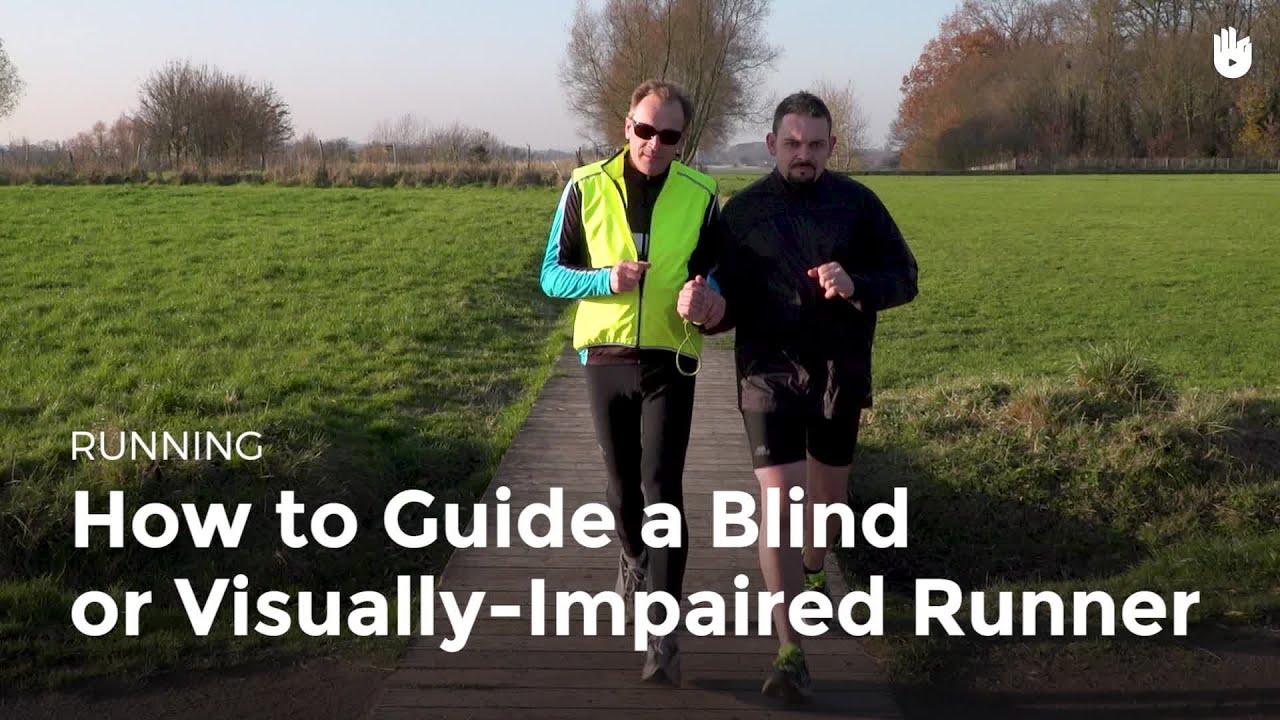
"Guide Running: A Primer for Educators and Coaches" provides a detailed exploration of guide running, emphasizing the significance of matching the right guide runner with visually impaired athletes to ensure their safety and improve performance. The article discusses different types of tethers used in guide running, such as hand and waist tethers, and the regulations […]
“Guide Running: A Primer for Educators and Coaches” provides a detailed exploration of guide running, emphasizing the significance of matching the right guide runner with visually impaired athletes to ensure their safety and improve performance. The article discusses different types of tethers used in guide running, such as hand and waist tethers, and the regulations surrounding their use in various competitions. It highlights the importance of communication, synchronization of movement, and emotional support between the guide and the athlete to foster a successful running partnership.
For a deeper dive into the topic and the full article, click on the following link:
Guide Running: A Primer for Educators and Coaches.
The principles outlined in the article are crucial for adapted physical education, where the focus is not only on physical activity but also on ensuring inclusion and accessibility for all participants. Guide running exemplifies how adaptations can enable individuals with visual impairments to participate fully and safely in sports, thereby promoting equal opportunities for physical education and enhancing quality of life. These practices underscore the vital role of adapted physical education in fostering an inclusive environment where every student, regardless of their abilities, can thrive physically, emotionally, and socially. Below is a helpful video with tips on guide running.