Goal Setting in Adapted PE: IEP Reflection & Student Engagement
Video · By Sarah Fuller, Adapted Physical Education specialist
Published · Updated
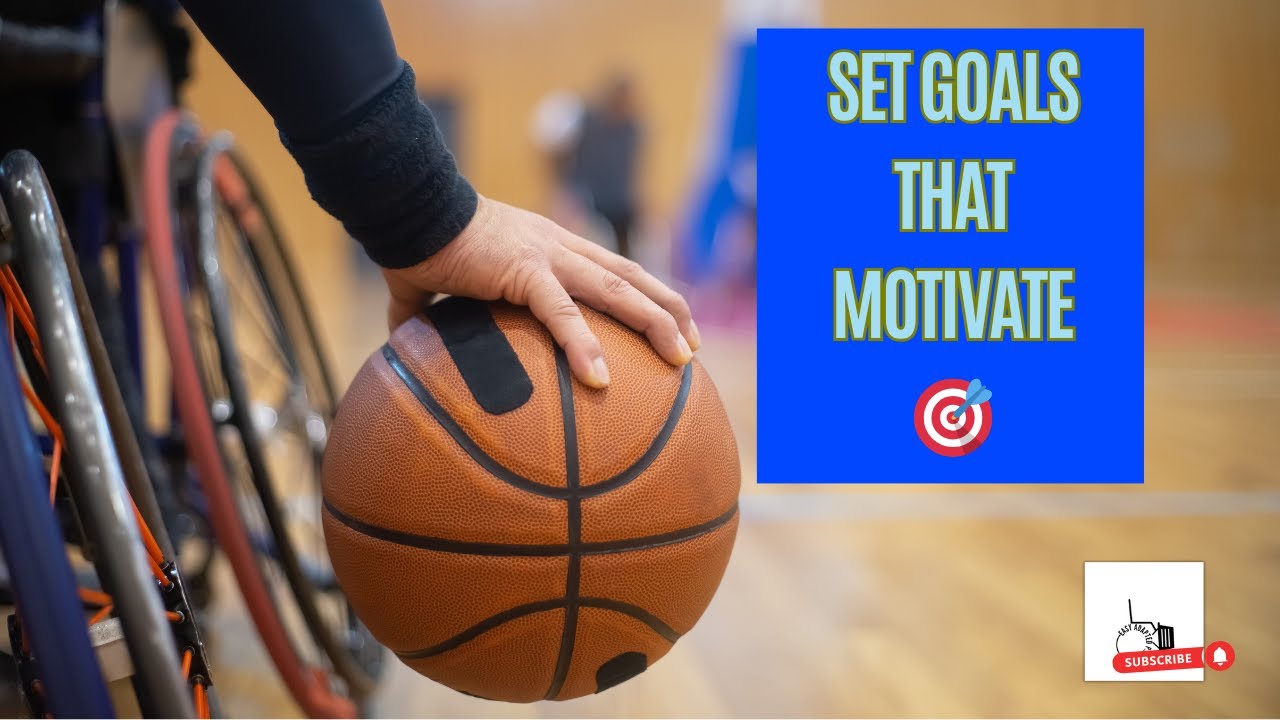
Learn how to create meaningful, measurable Adapted PE goals that engage students and connect to cognitive, affective, and physical domains for midyear IEP success.
Goal Setting in Adapted PE: IEP Reflection & Student Engagement Strategies
As we dive into the new year, there's no better time to refresh our approach to goal setting in Adapted Physical Education. Setting meaningful, measurable goals isn't just about compliance—it's about creating pathways for student success that truly resonate with each learner's unique needs and abilities.
In this comprehensive video from Sarah at Easy Adapted PE, you'll discover proven strategies for crafting goals that come alive for students while ensuring your data collection tells the complete story of growth and progress.
Creating Meaningful and Measurable Adapted PE Goals
The foundation of effective Adapted Physical Education lies in goal setting that goes beyond simple compliance checklists. Meaningful goals connect directly to a student's daily life, interests, and future aspirations, while measurable goals provide clear benchmarks for tracking progress throughout the year.
When developing IEP goals for Adapted PE, consider these essential elements:
- Specificity: Define exactly what the student will accomplish
- Relevance: Ensure goals connect to functional movement and life skills
- Achievability: Set challenging yet attainable targets
- Time-bound: Establish clear timelines for goal completion
Involving Students in Goal Selection and Ownership
One of the most powerful strategies for ensuring goal success is student involvement in the goal-setting process. When students have a voice in selecting their objectives, they develop greater ownership and motivation to achieve them.
Practical strategies for student engagement include:
- Presenting goal options in visual formats that students can easily understand
- Using student-friendly language to explain what each goal means
- Connecting goals to activities and sports students enjoy
- Regular check-ins where students can reflect on their progress
Remember: A student who understands and chooses their goals is far more likely to work actively toward achieving them.
Connecting Goals Across All Learning Domains
Effective Adapted PE goals don't exist in isolation. They should seamlessly integrate across cognitive, affective, and physical domains to create holistic learning experiences.
Cognitive Domain Integration
Incorporate thinking skills, problem-solving, and understanding of movement concepts. Examples include understanding rules, making strategic decisions, and applying safety principles.
Affective Domain Connection
Address social-emotional learning, teamwork, self-confidence, and positive attitudes toward physical activity. These goals often have the most lasting impact on students' lives.
Physical Domain Focus
Target fundamental movement skills, fitness components, and sport-specific abilities that support functional independence and recreational participation.
Preparing for Midyear IEP Goal Reflection
The midyear point offers a crucial opportunity to assess progress and adjust goals as needed. This isn't just about data collection—it's about ensuring each student remains on track for success.
Key considerations for midyear reflection:
- Data Review: Analyze collected data to identify trends and patterns
- Student Input: Gather feedback from students about their perceived progress
- Goal Adjustment: Modify goals that may be too challenging or not challenging enough
- Strategy Refinement: Adjust teaching methods based on what's working
Making Data Tell the Story of Growth
Effective data collection in Adapted PE goes beyond simple yes/no observations. Your data should paint a comprehensive picture of student progress that includes:
- Qualitative observations about effort and engagement
- Quantitative measures of skill improvement
- Social-emotional growth indicators
- Student self-assessment feedback
Practical Implementation Tips
To successfully implement these goal-setting strategies in your Adapted PE program:
- Create visual goal charts that students can track their own progress
- Use video analysis to help students see their improvement over time
- Develop celebration rituals for goal achievement
- Regular communication with families about goal progress
- Collaborate with classroom teachers to reinforce goals across settings
Transform Your Adapted PE Goal Setting Today
Effective goal setting in Adapted Physical Education is both an art and a science. By creating meaningful, measurable objectives that engage students across all learning domains, you're not just meeting IEP requirements—you're building pathways to lifelong wellness and independence.
Ready to revolutionize your approach to Adapted PE goal setting? Start by implementing one new strategy from this video in your next IEP meeting. Your students will thank you, and your data will reflect the meaningful growth that happens when goals truly matter.
What goal-setting strategies have worked best in your Adapted PE program? Share your experiences in the comments below and help build our community of practice!
Topics: adapted pe goals, iep goal setting, student engagement, adapted physical education, iep reflection, physical domain goals, cognitive domain goals, affective domain goals