3 Effective Strategies for Teaching Push-Ups to Children
Adaptive Training · By Matt Barker (Digit the APE), Adapted Physical Education specialist
Published · Updated

Welcome to JustAdaptIt.com, where we specialize in adapting physical education for every child's success. Teaching push-ups to kids can seem daunting, but with strategic support, it becomes a rewarding experience. In this guide, we delve into practical strategies like assistive resistance, varied touch targets, and visual supports. These tools not only simplify the learning process […]
Welcome to JustAdaptIt.com, where we specialize in adapting physical education for every child’s success. Teaching push-ups to kids can seem daunting, but with strategic support, it becomes a rewarding experience. In this guide, we delve into practical strategies like assistive resistance, varied touch targets, and visual supports. These tools not only simplify the learning process but also enhance it scientifically, ensuring that every child can confidently master push-ups. Let’s explore these effective tips to empower kids in their physical education journey.
1. Assistive Resistance: Incrementally Challenge Muscles
Assistive resistance, such as resistance bands, plays a crucial role in safely building up a child’s capacity to perform push-ups. This method leverages the principle of progressive overload, which is fundamental in strength training. By starting with bands that take on a larger share of the child’s body weight, and gradually moving to lighter bands, we enable the muscles to adapt and grow stronger. This progressive decrease in assistance helps students incrementally challenge their muscles, leading to improved strength and push-up proficiency.
2. Touch Targets: Enhancing Depth and Consistency
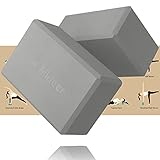
Touch targets are varied objects like balls, cushions, or foam blocks placed under the chest to guide the downward phase of a push-up. These targets provide a physical cue, helping students gauge how low they should go. Scientifically, this method taps into kinesthetic learning, giving students a tangible reference for their movement, which can enhance muscle memory and ensure consistent execution of push-ups.
3. Hand Placement Mat: Ensuring Proper Form
The hand placement mat is a visual guide that helps students position their hands correctly, which is pivotal for safe and effective push-ups. Proper hand placement aligns the wrists, elbows, and shoulders, distributing the body weight evenly and reducing the risk of injury. This alignment is critical for activating the correct muscle groups, including the pectorals, triceps, and core muscles, ensuring that the exercise strengthens the intended areas.
Incorporating assistive resistance and touch targets into push-up training not only makes the exercise accessible to beginners but also provides a structured way to develop strength and technique. These tools, grounded in scientific principles, help students understand their body’s mechanics and promote a safe, effective, and engaging learning environment in adapted PE.
By visiting JustAdaptIt.com, educators and students alike can access a wealth of resources and strategies designed to adapt physical education, ensuring every child achieves their potential in a supportive and scientifically-backed manner.



Disclaimer: Some of the links on this site are affiliate links, meaning that at no additional cost to you, I may earn a commission if you click through and make a purchase. As an Amazon Associate, I earn from qualifying purchases. These commissions help support the ongoing work of creating and sharing adapted physical education resources, guides, and inclusive activity ideas so that everyone can thrive in PE. Your support makes it possible to keep this site running and the content free for educators and families. Thank you!